OpenAI Astra
The primary model used to develop the Starward simulation itself: the systems, missions, and player-facing flight experience.
- Starward SIM development
- Flight systems and mission work
- Xbox controller integration
Peaceful spaceflight simulation · Apple Silicon Mac
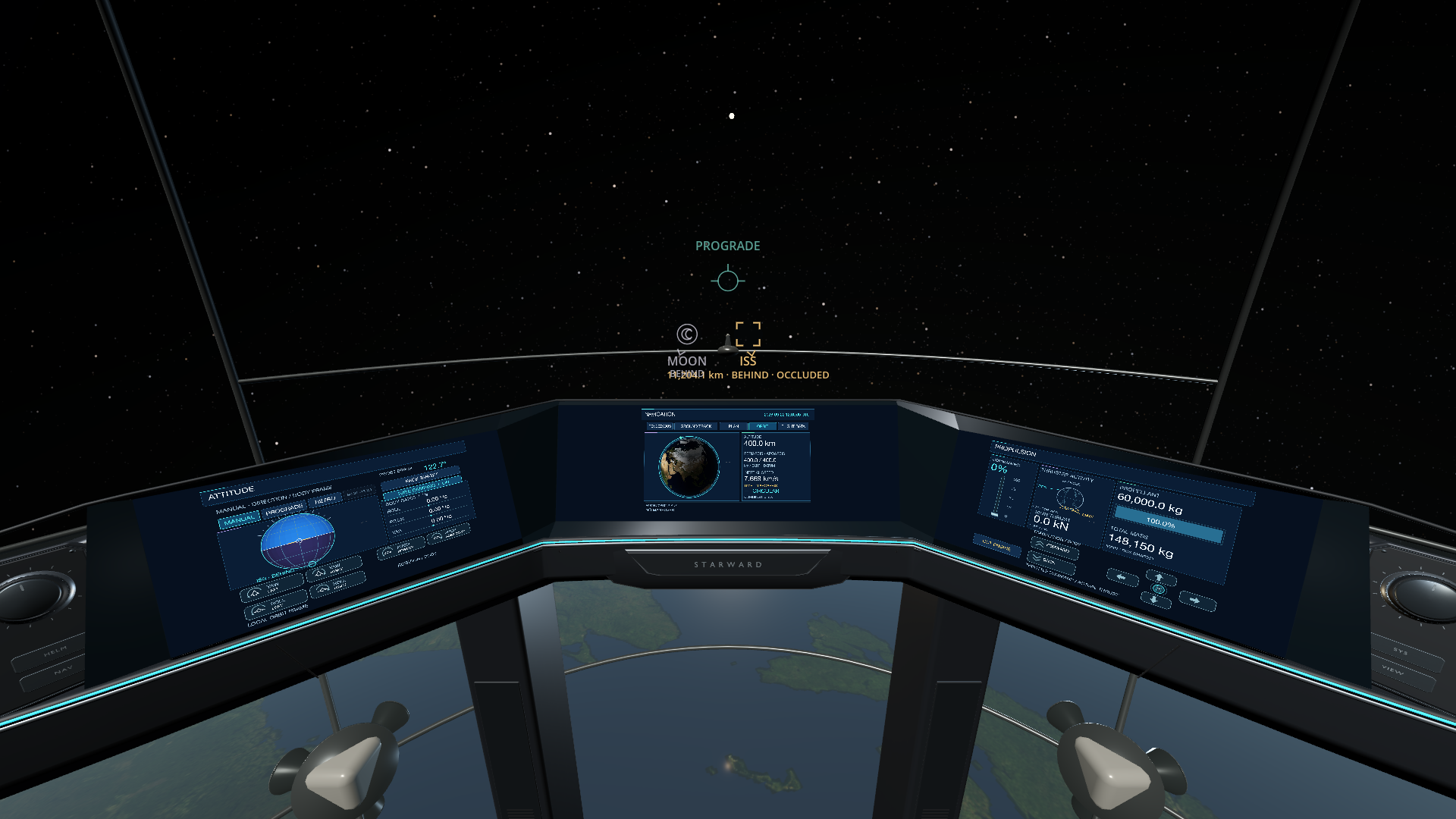
Starward is a single-player spaceflight simulator that turns orbital mechanics into something you can read, test, plan, and carry through the cockpit.
Technology behind Starward
Starward is being developed with a distinct model role for the simulator, the website, and the voices inside the spacecraft.
The primary model used to develop the Starward simulation itself: the systems, missions, and player-facing flight experience.
The model used to develop this website and turn Starward’s product vision into a readable public-facing flight manual.
Integrated into Starward so the spacecraft can support simulated communication with the co-pilot, instructor, and other characters.
One project, three surfaces. Astra helps build the simulator, Luna Max helps build its public front door, and ChatGPT Live One gives the people around the player a voice.
One connected learning path
The lesson, experiment, flight plan, cockpit, and record all describe the same physical state. Starward makes each decision legible before asking you to carry it out.
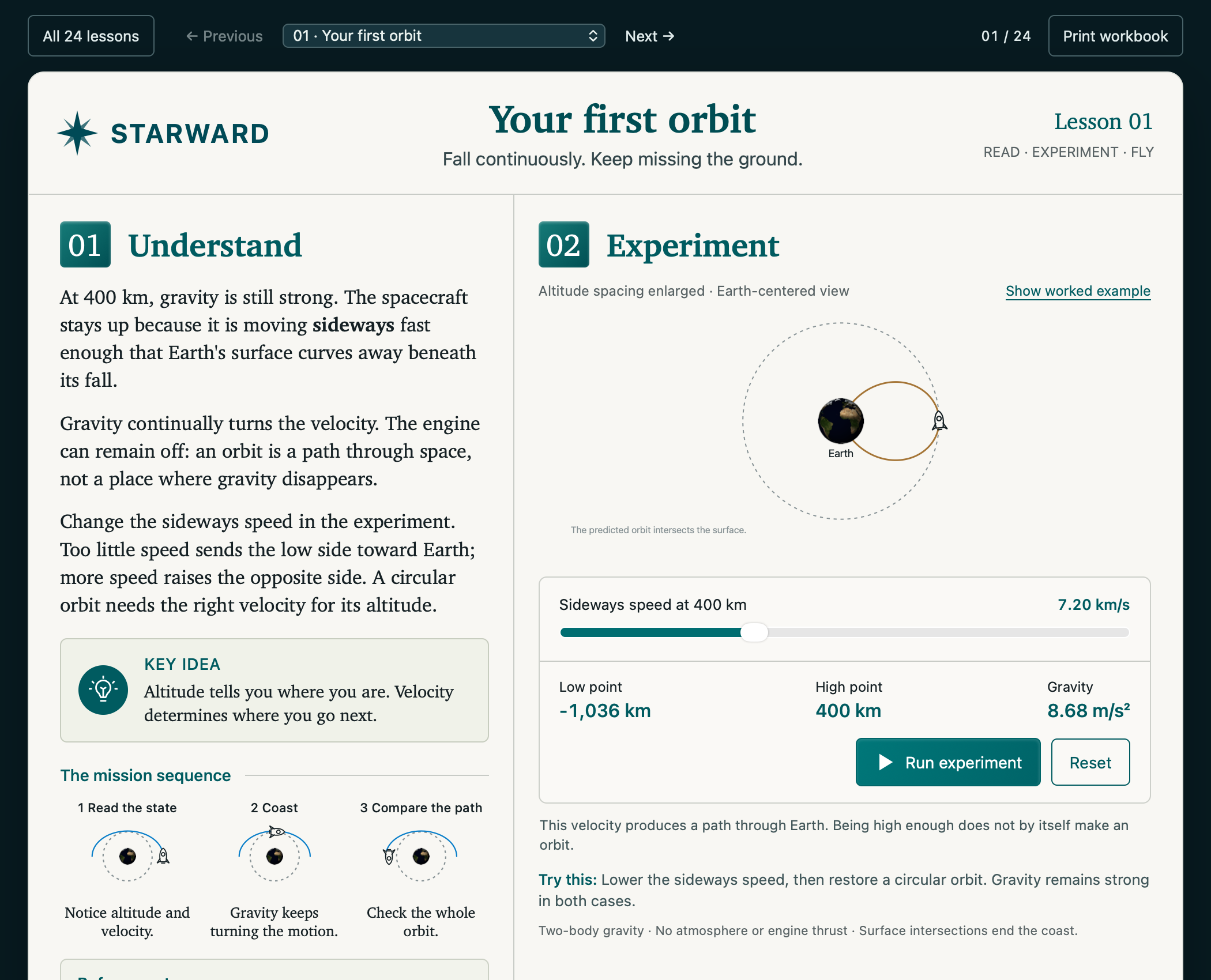
Read one orbital idea in plain language, with the assumptions shown.
Change velocity, altitude, timing, or mass and watch the trajectory respond.
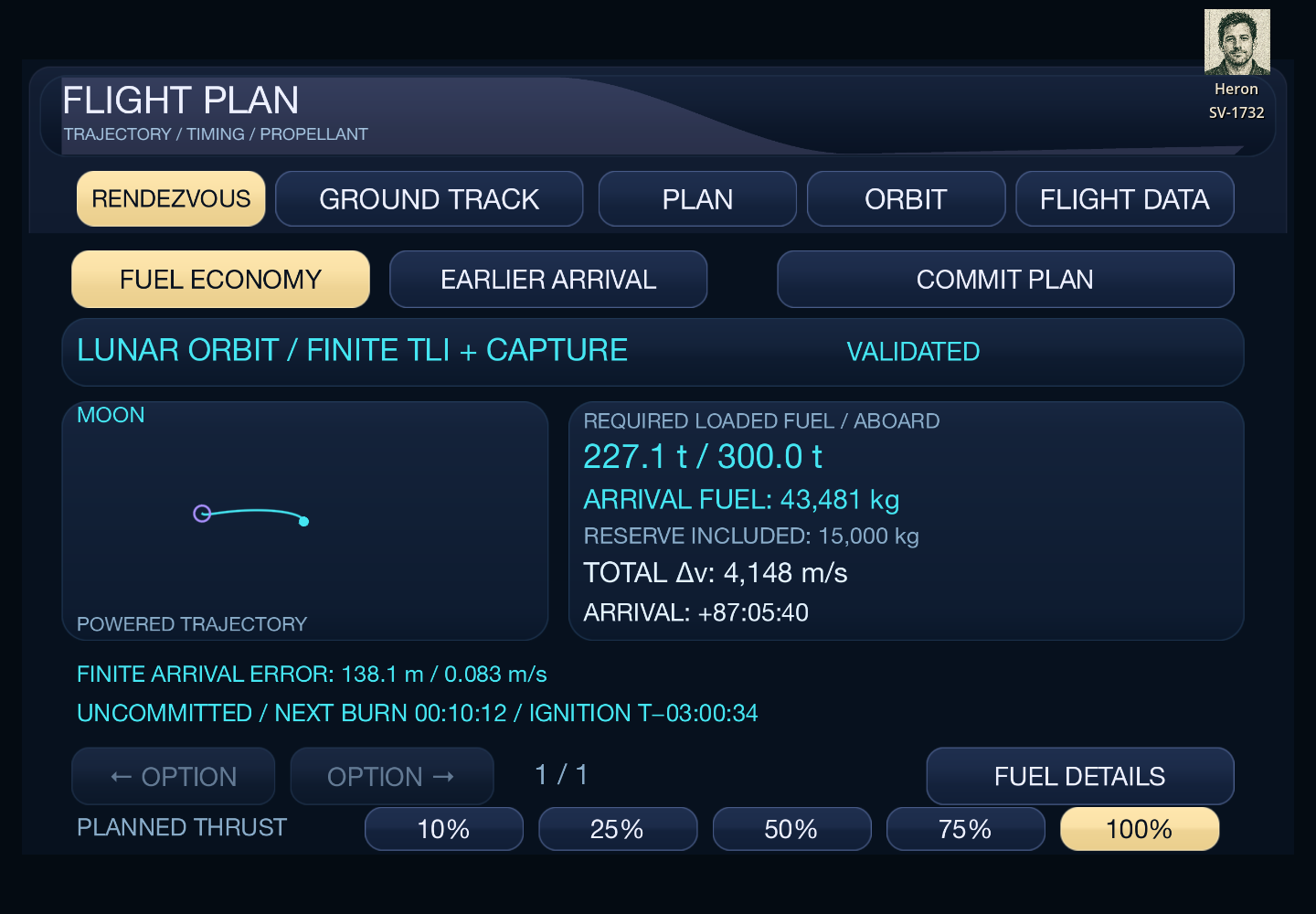
Turn the concept into a route, burn sequence, and fuel budget.
Carry the maneuver through from the live cockpit and its instruments.
Review what happened, preserve the flight, and understand the result.
Learning system
The workbook explains the same position, velocity, time, mass, and energy relationships used by the simulator.
You are not memorizing formulas. You are learning to read the vehicle’s state.
One complete journey
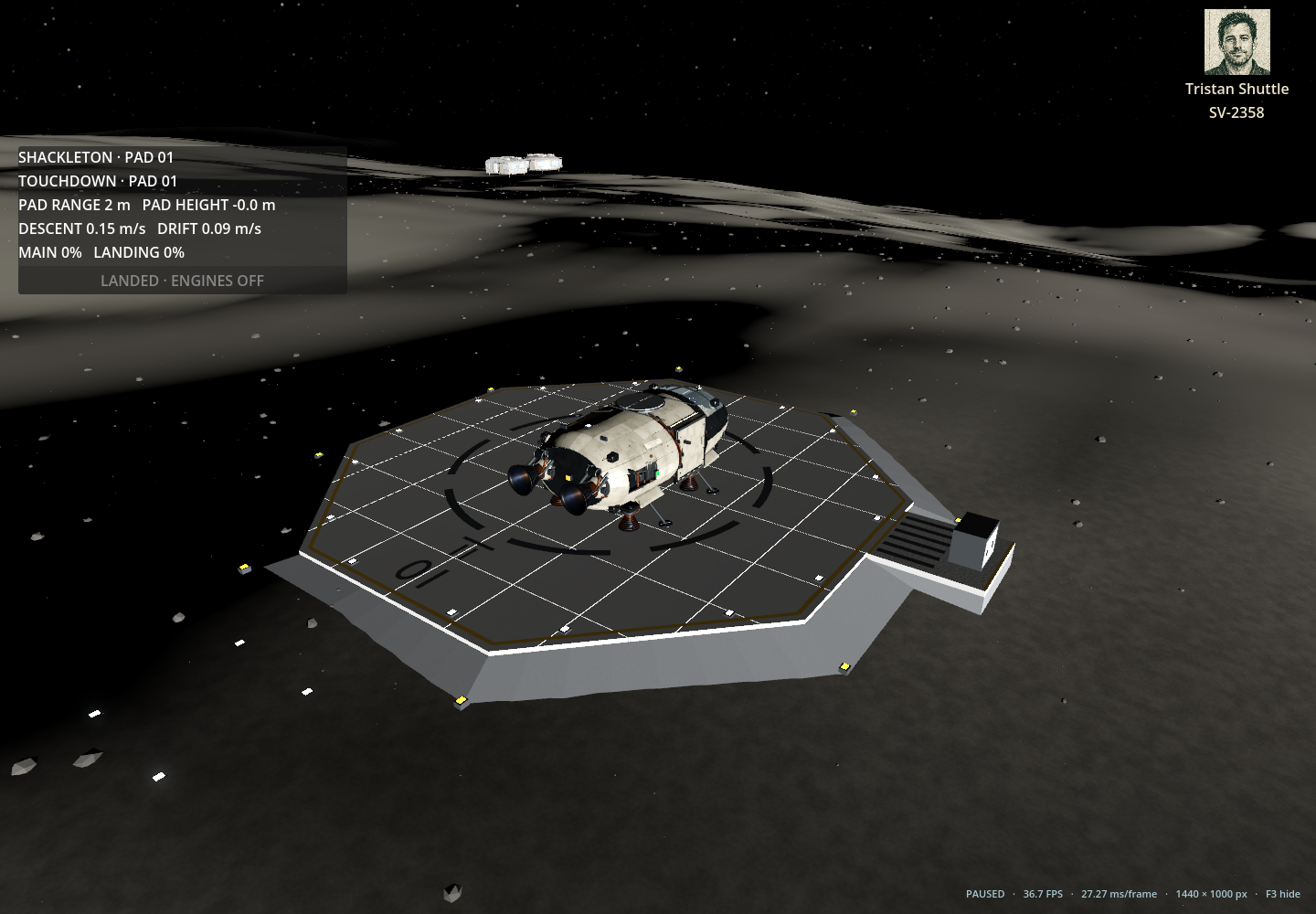
Prepare Heron, plan the transfer, execute each finite burn, enter lunar orbit, release the Tristan Shuttle, and land beside the Shackleton habitat.
Confirm the vehicle, fuel, and departure state.
Compare timing, trajectory, and propellant.
Align, ignite, cut off, and validate.
Capture into the plane of the settlement.
Leave the carrier and prepare the descent.
Touch down with gear, margin, and control.
Operating principles
Every surface should help connect a decision to its physical consequence.
A burn changes an orbit. The orbit changes what becomes reachable.
Geography, illumination, apparent scale, and motion agree with the flight state.
Cockpits, instruments, interiors, doors, berths, and airlocks form one vehicle.
Guidance can help while keeping the reason, state, and consequence visible.
Competence, discovery, science, and completing the expedition are the reward.
A flight is something to inspect later, not a disposable attempt that disappears.
More than a cockpit
A destination is not a backdrop. It has an orbit, geometry, equipment, people, and procedures that shape what you can do there.
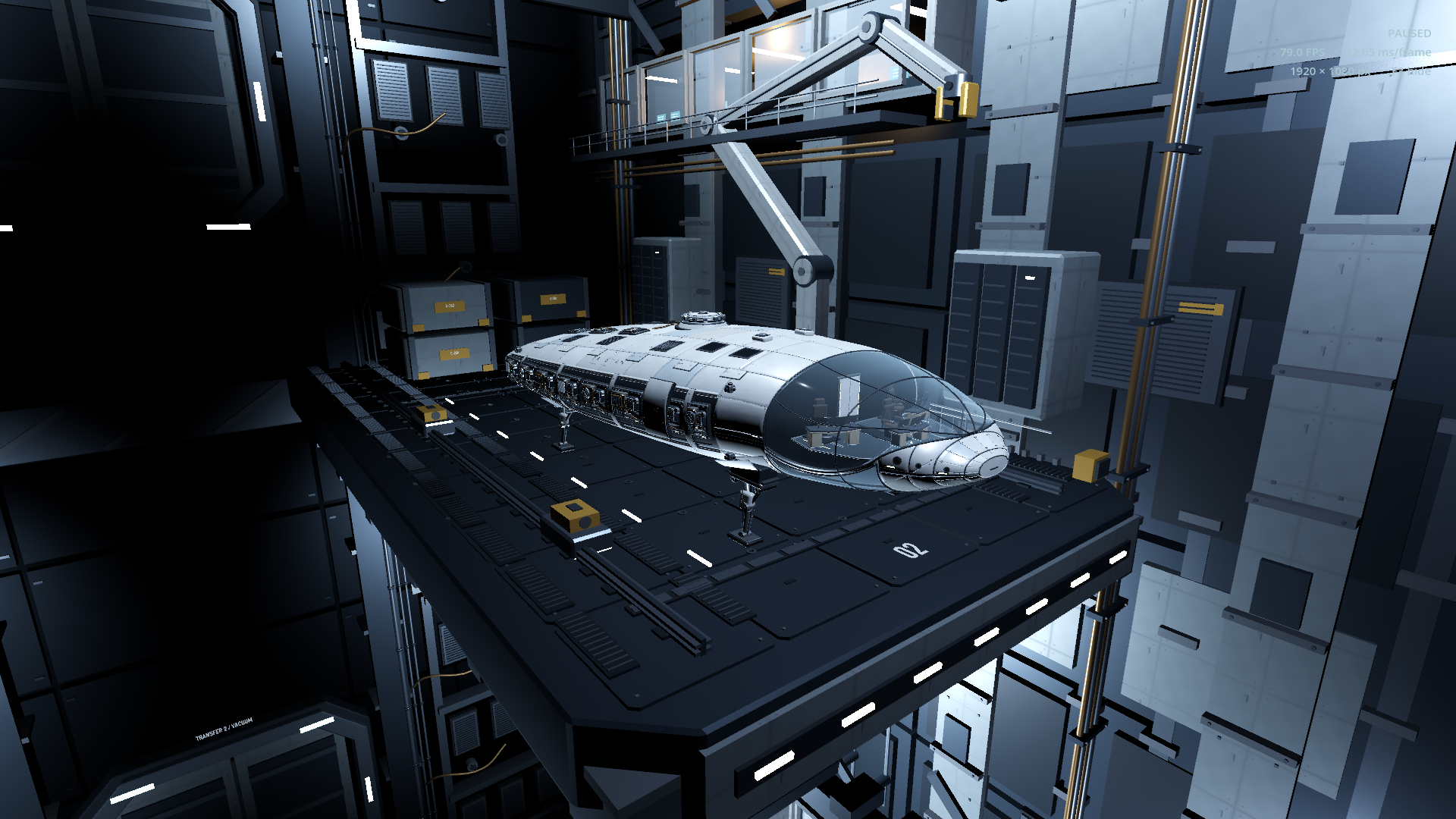
Tristan, Heron, the Tristan Shuttle, Prospect, and Endeavor carry different roles and constraints.
Earth orbit, the ISS, Humanity, lunar terrain, and Shackleton connect navigation with purpose.
Fuel, power, pressure, access, docking, cargo, and crew turn travel into an expedition.
Current experience and horizon
Starward is being built in layers. Current capabilities, active development, and long-term direction remain visibly distinct.